
Many families are looking for effective ways to support home-based learning without overspending. Simple resources and careful planning can create a productive educational environment on a limited budget.
They can use everyday items from around the house, combined with free or low-cost online tools, to keep learning engaging and accessible. These strategies make it possible to maintain quality education without the need for expensive materials or specialised equipment.
Creating a Budget-Friendly Learning Environment at Home
Organising a practical learning environment at home does not require expensive equipment. Using everyday objects and natural materials can effectively meet a child’s needs while saving costs.
Setting Up Learning Spaces with Everyday Items
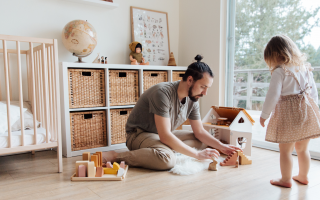
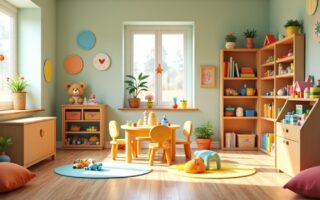
Parents can use common household objects to create designated learning spaces. A sturdy table with a comfortable chair is essential for focus and posture. Storage containers, such as plastic boxes or repurposed baskets, help keep supplies organised and accessible.
Walls can serve as visual aids by displaying charts and schedules using printable resources or DIY posters. Clear separation between study and play areas helps minimise distractions and encourages routine. Lighting should be natural or supplemented with affordable lamps to reduce eye strain.
Incorporating Natural Materials
Natural materials like stones, leaves, and sticks offer low-cost educational tools for hands-on learning. They can be used in science projects, art, sensory activities, and maths exercises like counting or sorting.
Parents should prioritise safety by ensuring materials are clean and non-toxic. Using natural resources encourages outdoor exploration and observation, enhancing experiential learning without added expense.
Maximising Space for Different Activities
In smaller homes, efficient space use is vital. Multipurpose furniture, such as foldable desks or stackable chairs, can adapt to various subjects and activities. Vertical storage options free up floor space for movement and physical tasks.
Parents can designate a corner for quiet reading and another for group activities. Clear visual markers, like rugs or taped lines, help children understand activity zones. Flexibility in arrangement supports diverse learning needs without requiring significant investment.
Essential Early Learning Activities on a Budget
Practical, hands-on activities support early learning while keeping costs low. Using everyday items, parents can encourage skill-building across several key areas such as sensory development, letter recognition, and early maths.
Sensory Play and Fine Motor Skills
Sensory play enhances brain development and helps children explore textures, sounds, and movements. Parents can create sensory bins with rice, pasta, or dried beans, adding spoons, cups and small toys to encourage manipulation. This strengthens fine motor skills as children scoop, pour, and grasp.
Craft activities like threading pasta onto a string or cutting paper improve hand-eye coordination. Simple tools like clothespins or tweezers can be repurposed for picking up objects, which refines the pincer grip. These low-cost approaches build the dexterity needed for writing and self-care tasks.
DIY Letter Recognition Games
Letter recognition is fundamental for literacy. Parents can cut letters from old magazines or newspapers and use these pieces to create matching games or simple word-building activities. Label common household items with letter cards to link sounds to objects.
Another idea involves writing letters on paper plates or cardboard squares. Children sort these by matching uppercase and lowercase forms. Using magnetic letters on the fridge lets kids experiment with spelling without extra expense. Regular, playful exposure strengthens letter familiarity and early reading skills.
Counting and Maths with Household Objects
Counting with everyday items makes maths tangible. Parents can gather buttons, coins, or dried beans for counting exercises or simple addition and subtraction problems. Grouping objects into sets helps children understand number concepts visually.
Using egg cartons or muffin tins, children can sort and count objects into compartments by size or colour. This also introduces classification and pattern recognition. Incorporating maths into daily routines through cooking measurements or setting the table encourages practical application without cost.
Hands-On Sensory Play Ideas
Sensory play supports a child’s development by engaging multiple senses through touch, sight, and sometimes smell. It often involves simple materials that are easy to source and can transform everyday items into rich learning experiences.
Creating Sensory Bins with Affordable Materials
Sensory bins are containers filled with tactile items that encourage exploration. They can be made using inexpensive items like rice, dried pasta, lentils, or shredded paper. Natural materials such as pebbles, leaves, or sand add texture variety without extra cost.
Adding small tools like spoons, cups, or tweezers boosts fine motor skills. Colourful beads or buttons can enhance pattern recognition and sorting activities. Using airtight containers helps store sensory bins for repeated use, making them cost-effective and practical.
Using Sensory Bins for Learning
Sensory bins support various learning goals, including counting, sorting, and language development. Children can practice vocabulary by naming objects or textures inside the bin. Tasks like separating materials by colour or shape develop critical thinking and categorisation skills.
Using sensory bins repeatedly allows children to explore concepts in different ways. Incorporating themes, such as seasons or animals, introduces new words and ideas related to the bin’s contents. Sensory play encourages focus and calmness during home-based learning sessions.
Outdoor Sensory Play Adventures
Taking sensory play outside offers fresh, natural materials and encourages physical activity. Collecting clay, sand, leaves, or sticks during walks provides unique elements for sensory bins or direct exploration.
Outdoor sensory play also involves listening to birds, feeling textures of tree bark, or smelling flowers. It promotes awareness of the environment while supporting sensory development. Simple outdoor setups using buckets or trays turn natural materials into engaging learning tools.
Practical Tips for Parents on Home-Based Learning
Parents can support early learning by creating consistent structures, fostering curiosity, and knowing when to guide or step back. These strategies help maintain focus, promote independence, and balance education with play effectively.
Establishing a Daily Routine
Parents should set specific times for learning, breaks, and activities to create a predictable day. This consistency helps children anticipate what’s next and reduces resistance to tasks.
A simple timetable with clear start and finish times for each subject or activity works well. Including visual aids like charts or calendars can improve understanding, especially for younger children.
Flexibility within the routine is important. It allows for unexpected events or changes in mood, helping children stay engaged without feeling pressured.
Encouraging Independent Exploration
Giving children choices about what and how they learn fosters motivation and confidence. Parents can prepare materials and resources in advance, but let the child decide which to use.
Opportunities for hands-on learning, like using everyday objects or nature, promote curiosity through direct experience. Quiet corners or designated exploration areas support this approach.
Parents should resist the urge to intervene immediately. Allowing children to experiment and problem-solve on their own develops critical thinking and resilience.
Balancing Guidance and Child-Led Play
Parents need to provide support without dominating activities. This balance requires recognising when to step in with questions or explanations and when to observe silently.
Structured activities with clear goals can be alternated with open-ended playtime driven by the child’s interests. This mix encourages learning while honouring a child’s creativity.
Clear but flexible boundaries ensure safety and focus during play. For example, guidelines on sharing or reusing materials promote respect and resourcefulness.