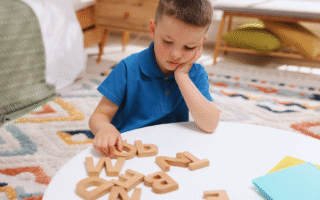

The first day of school marks a significant milestone in a child’s life, filled with both excitement and anxiety. To prepare a child effectively for this important transition, it is vital to establish a familiar routine, encourage open conversations about their feelings, and involve them in the preparation process. This sets a positive tone and helps in managing any apprehensions they might have.
Parents can help ease their child’s transition by visiting the school together before term starts. This familiarises the child with their new environment, allowing them to explore the classrooms and playground, which can help alleviate fears. Buying school supplies together can also make the child feel more invested in the experience and create a sense of ownership.
Establishing a morning routine ahead of time can lessen stress on the actual day. Simple practices, such as laying out clothes the night before and practising the journey to school, can build confidence. With thoughtful preparation, the first day of school can become a memorable start to an exciting educational journey.
Building School Readiness at Home
Preparing a child for their first day of school involves fostering essential skills that encourage independence, establish routines, and develop social skills. These foundational elements can greatly assist new starters in making a smooth transition from nursery to school.
Encouraging Independence
To promote independence, parents can start by assigning simple tasks. This might include dressing themselves, packing their school bag, or making their own snacks. Such activities build confidence and self-sufficiency.
In addition, letting the child make choices can be beneficial. For example, allow them to select their clothes or decide between lunch options. This practice instils a sense of ownership and responsibility, essential for school readiness.
Establishing Routines
Creating a consistent daily routine helps children adjust to the structure they will encounter in school. Parents can establish a morning schedule that includes time for breakfast, getting dressed, and packing their bags.
Evenings can include storytime or winding-down activities to signal bedtime. A predictable routine fosters security and helps children understand time management, an important aspect of starting school.
Fostering Social Skills
Encouraging playdates or group activities can enhance social skills. Interacting with peers helps children learn to share, take turns, and communicate effectively. Participating in group activities such as team sports or art classes also fosters collaboration.
Role-playing scenarios common in school, like greeting a new friend or asking for help, allow the child to practise these interactions in a safe environment. This rehearsal paves the way for smoother connections when they start school.
Talking to Your Child About Starting School
Communicating with a child about their upcoming school experience is crucial. Addressing feelings, using visual aids, and familiarising them with the environment can alleviate anxiety and build excitement.
Addressing Your Child’s Feelings
Engaging in conversation about starting school helps children express their feelings. They may feel a mix of excitement and apprehension. Parents should create a safe space for children to share their thoughts openly.
Asking specific questions can be beneficial. For instance, “What are you most looking forward to?” or “What makes you feel nervous?” Validating these emotions can make children feel understood.
It is also important to reassure them of support. Explaining that it is normal to feel nervous and that many other children feel the same way can provide comfort. Encouragement helps them see school as a positive adventure rather than a source of fear.
Using Picture Books to Prepare
Picture books serve as an excellent resource for preparing children for school. They can illustrate experiences and emotions related to starting school, making them accessible and relatable.
Choosing books that depict the first day of school can help children visualise what to expect. Popular titles, such as “The Kissing Hand” and “Pete the Cat: Rocking in My School Shoes,” can spark discussions about feelings and new experiences.
Parents can read these books together and discuss the story. This activity aids in reinforcing positive associations with school while enabling children to ask questions about what they might encounter.
Visiting the School in Advance
Familiarising a child with the school environment can significantly reduce anxiety. A pre-visit allows them to see their classroom, meet teachers, and explore play areas.
Arranging a tour of the school helps create a sense of belonging. Parents should point out the various facilities, such as the library and playgrounds, to increase their comfort.
While visiting, it is useful to discuss daily routines, including drop-off and pick-up times. Children who know what to expect are likely to feel more secure and excited about their first day in reception class.
Practical Steps for a Confident First Day
Preparing for the first day of school involves several practical steps that can help children feel secure and ready. Attention to details such as clothing, labelling, and supplies plays a significant role in easing first-day nerves.
Getting School Uniform Ready
Selecting the right school uniform is essential to ensure comfort and adherence to the school’s dress code. Parents should confirm the school’s uniform policy well in advance. This includes checking specific requirements for items like blazers, trousers, skirts, and shoes.
It’s vital to involve the child in the process, allowing them to try on the uniform for fit. Ensure everything is clean and ironed. A well-prepared uniform boosts confidence and helps the child feel part of the school community.
Parents can also consider the weather forecast; layering options may be necessary for unpredictable weather. If the school allows, personal touches like unique hair accessories can provide a sense of individuality while complying with the dress code.
Labelling Clothes and Supplies
To prevent loss or mix-ups, proper labelling of clothes and supplies is crucial. Parents should use clear labels that include the child’s name. This applies to uniforms, outerwear, lunchboxes, and any other personal items.
Options for labelling include stamped tags, iron-on labels, or adhesive labels. Choose a method that is durable enough to withstand washing and daily wear.
Encouraging children to recognise their belongings fosters responsibility. This can also reduce the anxiety associated with losing items on the first day. A checklist can help ensure everything is labelled before the school starts.
Choosing the Right School Supplies
Selecting appropriate school supplies involves first understanding the school’s specific requirements. Parents should carefully review the official supply list to ensure that nothing essential is missed. Needs also vary by age; young children in kindergarten often require basic supplies like pencils, erasers, colours, and lunch boxes.
On the other hand, older students in higher grades may need more advanced school essentials such as fountain pens along with fountain pen refills, notebooks, a sturdy backpack, and other academic essentials. Choosing the right items based on age and requirement helps ensure students are well-prepared and organized for their school routine.
Quality is often important; investing in durable supplies might reduce replacement costs later. Children can help choose their supplies to increase their excitement and ownership of the new school year.
Personalisation, such as character-themed items, may be beneficial for younger children. This can create a sense of familiarity and comfort. Ensure that all supplies are labelled similarly to clothing for easy identification throughout the school day.