Creative hobbies offer more than just enjoyment; they play a significant role in supporting mental health and overall well-being. Engaging in activities like painting, writing, or crafting provides a productive outlet for emotions, reducing stress and enhancing mood.
Regular participation in creative hobbies helps improve mental well-being by encouraging mindfulness, boosting self-esteem, and providing a sense of accomplishment. These benefits contribute to better emotional resilience and can lessen feelings of anxiety and depression.
People who make time for creative pursuits often experience greater mental clarity and improved focus. This positive impact on mental health makes creative hobbies an effective and accessible tool for maintaining well-being.
How Creative Hobbies Enhance Mental Wellbeing
Engaging in creative hobbies offers measurable benefits for mental health by influencing stress levels, mood regulation, and cognitive focus. These activities foster psychological well-being through tangible effects on the body and mind, such as lowering stress hormones and encouraging relaxed attention.
Reducing Stress and Anxiety
Creative activities like painting, knitting, or writing help reduce cortisol levels, the hormone linked to stress. This biochemical change directly lowers feelings of anxiety and physical tension.
The rhythmic or repetitive nature of certain hobbies provides a distraction from everyday worries. It can break the cycle of anxious thoughts by directing focus toward a deliberate, calming task.
Studies show that even brief periods of creative engagement can lead to reduced heart rate and blood pressure. These effects contribute to a more balanced stress response and improved emotional regulation.
Combating Depression and Boosting Mood
Creative hobbies stimulate the brain’s reward system by releasing dopamine, a neurotransmitter associated with pleasure and motivation. This boost can help alleviate symptoms of depression.
Completing an artistic project provides a clear sense of achievement, fostering self-esteem and positive self-perception. These feelings combat the helplessness often present in depression.
Social aspects of some creative groups also provide emotional support and reduce isolation. This communal engagement further strengthens mood and psychological well-being.
Fostering Relaxation and the Flow State
Creative hobbies facilitate entry into the “flow state,” where individuals experience deep immersion and loss of self-consciousness. This state promotes relaxation and mental clarity.
During flow, the brain reduces activity in areas linked to stress and self-criticism, helping to calm the mind. Focused creative efforts create a mental reset that supports emotional resilience.
Regular engagement in flow-inducing activities contributes to long-term relaxation and improved coping strategies. The sustained focus helps regulate emotions by diverting attention from stressors to creative processes.
Cognitive and Emotional Benefits of Creative Activities
Creative activities engage the mind and emotions in ways that enhance mental capacities and personal well-being. They can sharpen thinking skills, provide a sense of achievement, and help manage emotions effectively.
Improving Cognitive Function and Problem-Solving
Engaging in creative hobbies stimulates various cognitive processes, including memory, attention, and spatial reasoning. Activities like painting or playing music require focus and coordination, which strengthen neural pathways involved in problem-solving.
Creative tasks often involve trial and error, encouraging flexible thinking and innovation. This process helps individuals approach challenges with new strategies, improving their ability to solve everyday problems. Over time, these activities can contribute to better mental agility and cognitive resilience.
Boosting Self-Esteem and Sense of Accomplishment
Completing a creative project, such as crafting or writing, provides clear evidence of personal achievement. This accomplishment fosters a positive self-image and increased self-esteem. People often feel pride in their creations, reinforcing confidence.
Regular engagement with creative tasks also helps set goals and track progress, which adds structure and motivation. This continuous sense of achievement supports overall psychological well-being and encourages further creative efforts, creating a cycle of personal reward and growth.
Supporting Emotional Regulation and Personal Growth
Creative hobbies offer an outlet for expressing complex emotions without the need for words. This emotional expression can reduce stress and help individuals process difficult feelings more healthily.
The practice of creative work encourages mindfulness and focus, which aid in emotional regulation. Over time, this supports personal growth by fostering self-awareness and resilience. Individuals may find themselves better equipped to handle emotional challenges and develop healthier coping mechanisms.
Community, Social Connection and Routine
Creative hobbies often provide structure and interaction, which help improve mental well-being. They support building lasting relationships and encourage regular, purposeful activity, both essential for life satisfaction.
Building Social Connections and Support Networks
Engaging in creative hobbies allows individuals to meet others with shared interests. This common ground fosters social connections that can evolve into robust support networks. Such networks reduce feelings of loneliness and provide emotional support during stressful times.
Regular interaction within hobby groups promotes trust and shared experiences. This can help people develop communication skills and increase their overall quality of life. The sense of belonging encourages continued participation and deeper ties.
Strengthening Community Engagement and Group Activities
Participating in group activities related to creative hobbies enhances community building. Whether in art classes, music groups, or writing workshops, these collective experiences nurture collaboration. This social engagement reduces isolation and brings a sense of purpose.
Events like exhibitions, performances, and group projects increase visibility and involvement within the wider community. Engaging with others in these settings builds solidarity and encourages positive social behaviour.
Incorporating Hobbies into Daily Routine for Work-Life Balance
Integrating creative hobbies into daily life adds structure, helping maintain a healthy work-life balance. Regular practice of a creative activity can mark clear transitions between work and personal time, reducing burnout.
A routine involving hobbies improves consistency and motivation, which benefits mental health. Having scheduled, enjoyable activities boosts mood and brings stability to daily patterns, promoting better life satisfaction.
Types of Creative Hobbies and Their Wider Health Benefits
Creative hobbies engage both mind and body, contributing to improved mental and physical health. They support cognitive function, reduce stress, and encourage social interaction. Many activities also promote physical health, especially for older adults.
Art, Music and Writing
Art forms like painting, photography, and writing offer a way to express emotions and reduce anxiety. Studies show that engaging in these activities can improve mood and cognitive flexibility. Music, whether listening to or making it, stimulates brain areas related to memory and attention.
Writing, including journaling or creative writing, helps process experiences and manage stress. Musicians often report enhanced emotional regulation and social connection. Regular participation in art and music can lead to measurable improvements in mental well-being over time.
Gardening and Outdoor Pursuits
Gardening combines physical activity with mental relaxation, contributing to better cardiovascular health. Time spent outdoors has been linked to reduced symptoms of depression and anxiety, according to longitudinal studies. Gardening offers gentle exercise and sensory engagement, enhancing both mental and physical health.
Outdoor pursuits like hiking increase physical fitness through cardiovascular activity while also promoting mental clarity. Exposure to nature encourages mindfulness and reduces stress hormones. Older adults particularly benefit from these hobbies due to improved mobility and social opportunities.
Crafts: Knitting, Crocheting and Sewing
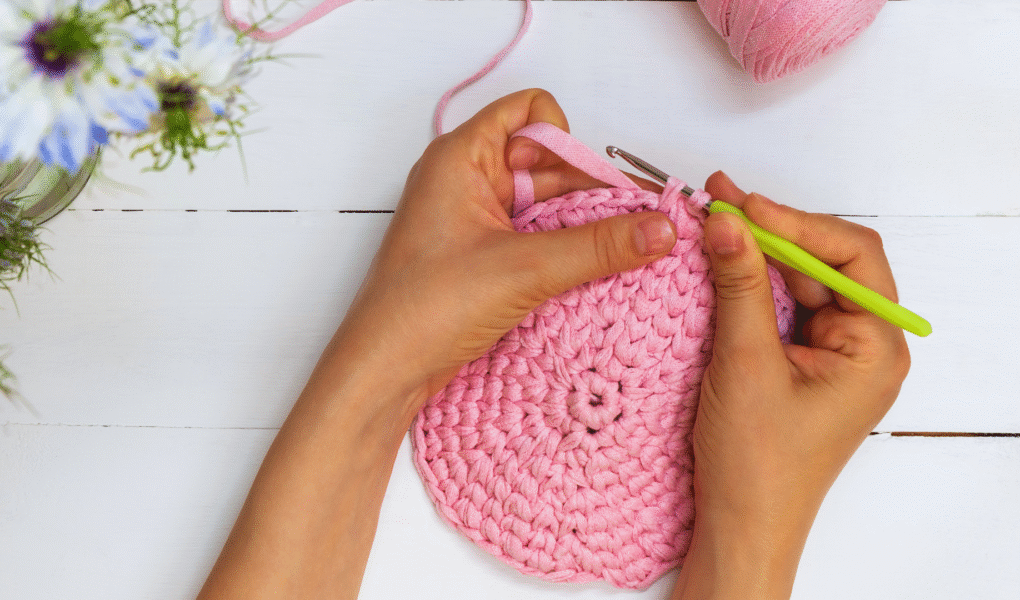
Crafts such as knitting, crocheting, and sewing stimulate fine motor skills and offer cognitive challenges through pattern recognition. These activities also foster a meditative state, reducing feelings of anxiety and depression.
Engaging in crafts promotes social interaction when done in groups or clubs, improving mental well-being. Scoping reviews highlight that regular crafting correlates with better mood and cognitive function in older adults. The repetitive motions combined with creative output support sustained mental engagement.
Active Hobbies: Dancing, Hiking and Yoga
Dancing merges physical exercise with creativity, benefiting cardiovascular health and coordination. It supports mental health by boosting endorphin levels and enhancing social connections through group classes or events.
Hiking is a moderate-intensity physical activity that improves stamina and reduces stress. Its combination of exercise and natural environment exposure results in better mental health outcomes.
Yoga integrates physical movement with mindfulness practices, positively affecting both mental and physical health. It improves flexibility, balance, and reduces anxiety, making it accessible for older adults seeking gentle exercise.