Lighting directly influences how people feel and perform throughout the day. Different types of light can either boost energy and focus or create a calming atmosphere. Choosing the right lighting can improve mood and increase alertness, while poor lighting may cause fatigue or irritability.
Natural light tends to energise and lift spirits, while warmer, softer lights often help people relax. The brightness, colour temperature, and positioning of lights all play roles in shaping emotional and physical responses. Understanding these effects can help create spaces that support well-being and productivity.
The Psychological Effects of Lighting on Mood and Energy
Lighting impacts how individuals feel and perform by affecting emotional states, mental clarity, and overall health. Different light qualities trigger varied psychological responses, shaping mood, alertness, and well-being in measurable ways.
Mood Enhancement Through Lighting
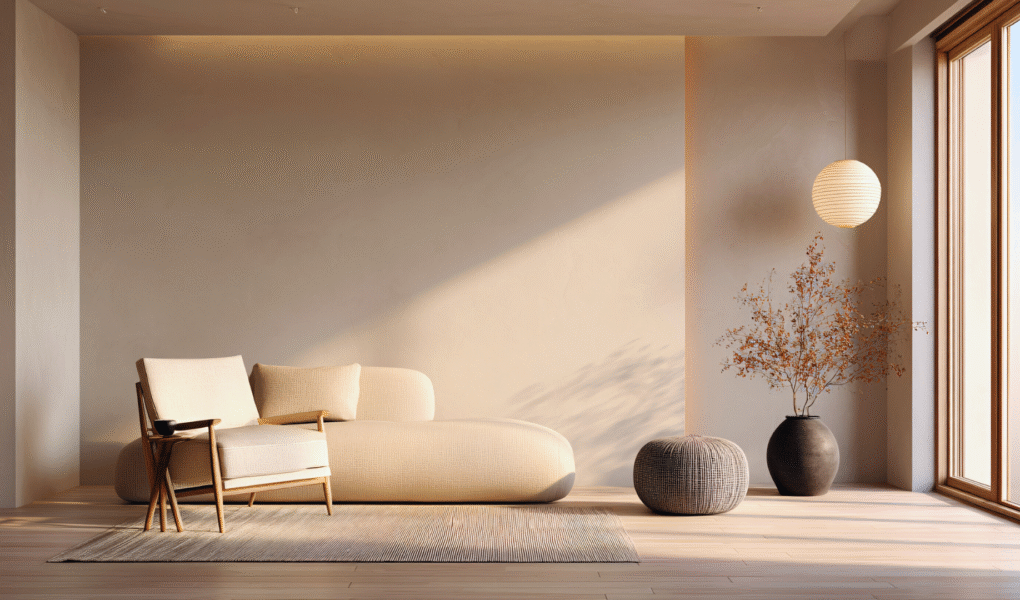
Lighting with warmer tones and lower intensity often promotes relaxation and comfort. Soft amber or dimmed lights can reduce stress by signalling the brain to produce calming chemicals like serotonin.
Conversely, bright white or blue-enriched light tends to lift spirits and energise. It mimics natural daylight, which encourages positive emotions and reduces feelings linked to depression. Clinical settings sometimes use light therapy lamps designed to combat Seasonal Affective Disorder (SAD) through increased light exposure, proving the psychological power of specific lighting choices.
Influence on Alertness and Concentration
Cool, blue-tinted lighting improves alertness and supports sustained attention. Exposure to this light type stimulates the brain’s suprachiasmatic nucleus, which regulates circadian rhythms and increases cognitive function.
Work environments applying blue-enriched LED lights report enhanced focus and productivity. In contrast, poor or overly warm lighting can cause fatigue and difficulty concentrating, highlighting the importance of matching light quality to task demands.
Lighting’s Connection to Well-being and Mental Health
Proper lighting can reduce symptoms of depression and improve mental health by regulating hormones like melatonin. Balanced exposure to natural and artificial light supports sleep quality, essential for psychological resilience.
Chronic inadequate lighting correlates with increased anxiety and lethargy. Therefore, maintaining a lighting environment that aligns with natural cycles and psychological needs is crucial for long-term well-being. Adjustments in light intensity, spectrum, and timing can bolster mental health outcomes effectively.
Lighting Variables That Shape Emotional and Energy Responses
Lighting influences mood and energy through factors such as colour temperature, light intensity, and the technical details behind them. These variables interact to create environments ranging from calming to energising, depending on their specific settings and usage.
Impact of Colour Temperature
Colour temperature is measured in kelvin (K) and directly affects how a space feels emotionally. Lower colour temperatures, around 2700K, emit warm, amber light which tends to relax and comfort individuals. This warmth is common in homes and hospitality settings to promote calmness.
Higher colour temperatures, between 5000K and 6500K, produce cool, bluish light. This mimics daylight and is linked to increased alertness and energy. It is often used in offices and healthcare environments for focus and productivity.
Understanding this spectrum helps tailor lighting to desired emotional effects by choosing specific temperature ranges suited to the function of the space.
Role of Light Intensity and Dimmer Switches
Light intensity, measured in lumens, plays a critical role in emotional and energy responses. Bright, high-intensity lighting elevates alertness and can reduce fatigue, while softer lighting promotes relaxation and lowers stress.
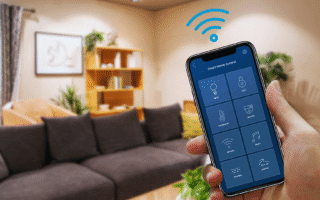
Dimmer switches offer control over intensity, allowing individuals to adjust lighting to match their mood or task. Dimming lights in the evening can support natural circadian rhythms by reducing exposure to stimulating brightness.
Using dimmers also helps customise lighting energy use, providing both comfort and efficiency through flexible settings.
Understanding Kelvin for Lighting Choices
Kelvin (K) quantifies the colour temperature of light sources, linking scientific measurement to practical lighting decisions. It ranges from about 1000K (very warm, candlelight) to over 10,000K (extremely cool, blue sky).
Most indoor lighting falls between 2700K and 6500K, allowing for clear categorisation:
- 2700K–3000K: Warm, inviting light for living spaces.
- 3500K–4100K: Neutral white suitable for kitchens or workspaces.
- 5000K–6500K: Cool light promoting concentration.
Choosing the right Kelvin setting depends on the purpose of the room and the mood desired. Matching lighting to activities helps balance energy and relaxation naturally.
Natural and Architectural Lighting: Design Strategies for Positive Outcomes
Effective lighting design balances natural and artificial sources to influence mood and energy. Utilising windows and skylights, alongside planned lighting strategies, plays a crucial role in enhancing wellbeing and productivity in various environments.
Benefits of Natural Light, Windows, and Skylights
Natural light, introduced through windows and skylights, regulates the body’s circadian rhythm, improving alertness and mood. It reduces eye strain compared to artificial lighting and increases vitamin D synthesis, contributing to overall health.
Windows also provide a visual connection to the outdoors, which can reduce stress and increase comfort. Skylights bring daylight deeper into spaces, especially in rooms with limited window access, optimising light distribution throughout the day.
Careful placement and sizing of windows and skylights minimise glare and overheating while maximising daylight. This supports energy efficiency and creates a more inviting, natural atmosphere that supports mental and physical health.
Incorporating Lighting Design for Optimal Productivity
Lighting design can boost productivity by aligning light quality and intensity with task demands. Cooler, brighter lights mimic daylight and enhance concentration, making them suitable for workspaces.
Adjustable lighting systems enable control over brightness and colour temperature, adapting to different activities and times of day. This flexibility helps reduce fatigue and maintain energy levels during long periods of work.
Designers often integrate fixtures with natural light to maintain consistent illumination. This combined approach ensures visual comfort while supporting focus, helping occupants sustain productivity without discomfort or distraction.
Layered Lighting Approaches for Adaptability
Layered lighting combines ambient, task, and accent lighting for maximum adaptability in a space. Ambient lighting provides general illumination, task lighting focuses on specific activities, and accent lighting highlights architectural features or creates a mood.
This strategy allows occupants to adjust lighting according to their needs, balancing functionality and atmosphere. Dimmable and tunable light sources add further control over brightness and colour, accommodating different times and preferences.
Such versatile solutions enhance both energy levels and emotional well-being, allowing environments to support varied activities and changing conditions effectively. Layered lighting is especially beneficial in multi-use spaces and dynamic workplaces.
Circadian Rhythms, Sleep, and Seasonal Considerations
Lighting influences biological processes that drive alertness and rest cycles. It also impacts mental health conditions linked to changing seasons, making light management critical for well-being.
Regulation of Circadian Rhythms
Circadian rhythms are 24-hour internal clocks regulating sleeping, waking, and hormonal functions. These rhythms rely heavily on light exposure to sync with the natural day-night cycle.
Blue light, specifically, signals the brain to reduce melatonin production, which promotes wakefulness. In contrast, dim, warm light encourages melatonin release, facilitating rest. Disruption in these cues can lead to poor sleep and reduced daytime energy.
Properly timed exposure to bright, natural light in the morning helps reset circadian rhythms. Conversely, exposure to artificial blue light late in the evening can delay sleep onset and reduce sleep quality.
Lighting and Sleep Quality
Quality of lighting directly affects sleep onset, duration, and depth. Exposure to bright light before bed suppresses melatonin, delaying sleep and lowering overall restfulness.
Evening lighting with lower intensity and warmer tones supports the natural preparation for sleep. This helps maintain consistent sleep schedules and improves REM sleep, which is crucial for memory and mood regulation.
Using dim, amber-coloured lights in bedrooms and avoiding screens at least an hour before bedtime are common strategies to preserve natural sleep cycles. Poor lighting habits are linked with insomnia and chronic fatigue.
Seasonal Affective Disorder and Light Exposure
Seasonal affective disorder (SAD) occurs mainly in winter months due to reduced daylight, impacting mood and energy. It is triggered by circadian rhythm misalignment and reduced serotonin production.
Light therapy is the primary treatment, using bright light boxes with an intensity of around 10,000 lux for 20-30 minutes daily. Morning sessions are most effective for mimicking natural sunlight and adjusting circadian timing.
Individuals with SAD benefit from consistent exposure to bright light and minimising time in dim environments in winter. Light exposure helps regulate mood and counteract symptoms such as lethargy and depression.