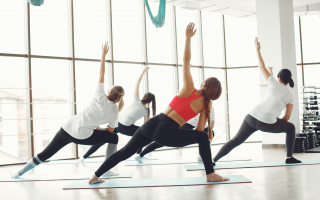

Starting a fitness routine at home offers numerous advantages that cater to a variety of lifestyles. For individuals seeking convenience, cost-effectiveness, and personalised workouts, home fitness provides an ideal solution. It eliminates travel time to gyms and allows for flexibility in scheduling, making it easier to stay committed over the long term.
Many people find the comfort of their own space to be a motivating factor. Without the pressure of a gym environment, they can focus on their routines without distractions. This setting fosters a sense of privacy, allowing them to explore different types of exercises and find what truly resonates with their goals.
Furthermore, starting a fitness routine at home can lead to significant savings. Gym memberships and travel costs often add up quickly. By utilising existing resources and household items, individuals can create effective workout sessions that suit their needs, making fitness more accessible and sustainable.
Core Health Benefits of At-Home Fitness Routines
At-home fitness routines offer significant health benefits, enhancing both physical and mental wellbeing. Engaging in regular exercise contributes to disease prevention and improves overall quality of life.
Physical Wellbeing and Disease Prevention
Regular physical activity plays a crucial role in maintaining a healthy weight. It helps regulate body fat levels, reducing the risk of obesity-related diseases such as type 2 diabetes and metabolic syndrome.
Incorporating strength training into home workouts supports muscle mass preservation, particularly important as one ages. This can lead to better mobility and stability, further decreasing the risk of falls and injuries.
Exercise also strengthens the cardiovascular system, lowering the likelihood of heart disease and stroke. Maintaining a healthy lifestyle through fitness can contribute to a longer life, with research indicating reduced cancer risks associated with regular physical activity.
Mental Health Advantages
Physical activity has been shown to have a positive impact on mental health. It can reduce symptoms of anxiety and depression, providing a natural boost to mood.
Regular exercise stimulates the production of endorphins, chemicals in the brain that promote happiness. This natural form of stress relief can enhance overall mental clarity and resilience.
Furthermore, engaging in at-home fitness fosters a sense of accomplishment, which can build self-esteem. Consistent exercise creates a routine that supports mental stability, helping to manage daily stressors effectively.
Enhancing Quality of Life
At-home fitness routines can significantly improve one’s quality of life. Individuals often find they have higher energy levels, making daily tasks easier to manage.
Exercise promotes better sleep patterns, which is essential for overall health and well-being. Good sleep enhances cognitive function and emotional regulation, contributing to a more balanced lifestyle.
Additionally, engaging in fitness at home allows for flexibility, enabling individuals to choose activities that suit their preferences and schedules. This convenience encourages long-term adherence to healthy habits, fostering a sustainable lifestyle that prioritises physical and mental health.
Practical Advantages of Exercising at Home
Exercising at home offers several practical benefits, making it an appealing option for many individuals. The focus on convenience, flexibility, affordability, and accessibility enhances the potential for establishing a consistent workout routine.
Convenience and Flexibility
Exercising at home provides unmatched convenience. There is no need to commute to a gym, saving valuable time. Individuals can schedule workouts around their commitments, making it easier to maintain consistency.
Being at home allows for adjustments to workout intensity and duration. One can easily fit in quick sessions during breaks or use the space for longer, more focused workouts as needed. This flexibility caters to personal preferences and lifestyles, making it easier to incorporate physical activity into daily routines.
Affordability and Accessibility
Home workouts typically demand lower financial investment compared to gym memberships. There are minimal costs associated with purchasing basic equipment, if desired. Many effective workouts require no equipment at all, making physical activity accessible for everyone.
Additionally, exercising at home removes barriers such as gym hours and location restrictions. Individuals can engage in workouts at any time, using online resources for guided routines. This accessibility ensures that physical activity can fit seamlessly into anyone’s life, regardless of circumstances.
Types of Effective Home Workouts
Establishing a home fitness routine involves various effective workout types. This section explores strength training techniques and engaging cardio options, both of which can easily be adapted for at-home exercise.
Strength Training Techniques
Strength training at home can build muscle mass and bone density effectively. Bodyweight exercises, such as push-ups, squats, and lunges, require no equipment and can be modified for different fitness levels.
Utilising resistance bands or dumbbells enhances workouts further. Popular exercises include bicep curls, tricep extensions, and deadlifts. Incorporating compound movements, like bench presses or kettlebell swings, can optimise muscle engagement.
A structured routine should encompass major muscle groups, alternating between upper and lower body workouts. To prevent injury, emphasising proper form and gradually increasing weights is essential. Progress tracking helps maintain motivation and ensures consistent improvement.
Cardio Options: Cycling and Dancing
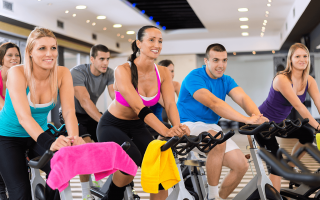
Cardio workouts improve cardiovascular health and burn calories. Cycling has become a popular home option, whether using a stationary bike or cycling outdoors. It enhances endurance while being low-impact, making it suitable for various fitness levels.
Setting specific goals, such as distance or duration, can enhance cycling sessions.
Dancing is another enjoyable cardiovascular workout that combines movement with rhythm, making it an engaging way to stay active. It boosts mood and incorporates coordination, flexibility, and balance.
Various styles, from Zumba to hip-hop, can be easily followed using online tutorials. Both cycling and dancing offer the flexibility to vary intensity, helping to keep workouts fresh and exciting.
Long-Term Results and Lifestyle Impact
Establishing a home fitness routine can significantly influence an individual’s long-term health outcomes and quality of life. This impact extends to motivation levels and the development of healthy habits.
Sustaining Motivation
Beginning a fitness routine at home often leads to increased motivation over time. With initial milestones achieved, individuals tend to build confidence in their abilities. This confidence can create a positive feedback loop, where success in fitness motivates further efforts.
Setting specific, achievable goals is crucial. For instance:
- Daily Step Targets: Aim for 10,000 steps a day.
- Strength Goals: Increase weights gradually each week.
Tracking progress can also enhance motivation. Using a planner or fitness app helps individuals see their journey visually, making it easier to stay committed.
Lastly, connecting with online communities can provide additional encouragement. Sharing experiences with others can foster accountability and reinforce a sense of belonging.
Supporting Healthy Habits
A consistent fitness routine fosters the adoption of healthy habits that extend beyond physical activity. Regular exercise is linked to higher energy levels, allowing individuals to engage in daily activities more effectively.
Routine physical activity contributes to longevity. Studies suggest that those who maintain an active lifestyle may live longer, healthier lives. Increased physical fitness often translates to improved immune function and better cardiovascular health.
Incorporating a balanced diet alongside exercise reinforces these habits. Meal planning becomes easier when individuals feel motivated to maintain their fitness results.
Lastly, an active lifestyle can improve mental health and well-being. Regular exercise is known to reduce symptoms of anxiety and depression, promoting a more balanced and fulfilling life.