
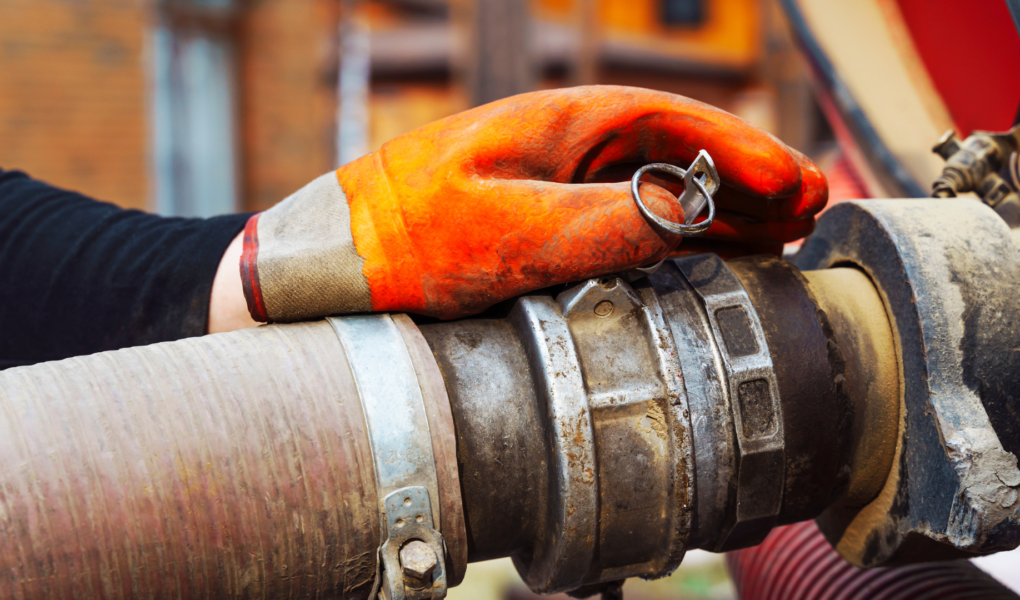
Sewer lines are the hidden backbone of any home or business, quietly doing their job to keep things running smoothly. But what happens when something goes wrong? If you’ve ever faced a sewer line issue, you know how disruptive it can be-not to mention costly. Understanding what causes sewer line damage and how professionals such as a trenchless plumbing company address it can save you a lot of time, money, and stress.
What Causes Sewer Line Damage?
Sewer lines are sturdy, but they’re not invincible. Several factors can lead to problems, some of which may surprise you. Here’s a look at the most common culprits.
1. Tree Roots
Tree roots are one of the biggest threats to sewer lines, especially if you have large trees near your property. Roots naturally seek out water, and your sewer line is basically a magnet for them. Once roots find a small crack or joint in the pipe, they grow inside and can cause blockages or even break the line entirely.
2. Corrosion or Age-Related Wear
If your sewer lines are made of older materials like cast iron or clay, they’re more prone to corrosion and wear over time. Rust can eat away at metal pipes, and clay pipes may crack under pressure or simply degrade as they age. If this has happened, sewer line services Port Macquarie are a must.
3. Shifting Soil and Ground Movement
The ground beneath your property doesn’t stay perfectly still. Soil shifts can occur due to construction, heavy rainfall, or natural settling. When this happens, it can put pressure on your sewer lines, causing them to crack or collapse.
4. Blockages from Non-Flushable Items
You might think twice about what you flush or send down the drain, but not everyone does. Items like wet wipes, sanitary products, grease, and even paper towels can build up over time and cause major blockages. These blockages don’t just clog the pipe-they can weaken it, too.
5. Extreme Weather
Flooding, freezing, or sudden temperature changes can wreak havoc on sewer lines. Freezing temperatures can cause pipes to expand and crack, while heavy rain may saturate the ground and lead to shifting or increased pressure.
How Experts Diagnose Sewer Line Damage
If you suspect there’s an issue with your sewer line, the first step is figuring out what’s wrong. Sewer line damage can cause an array of structural problems for a residential unit, not to mention the health issues arising as a result. Dealing with sewer issues requires professional expertise. Hence, at the first sign of a sewer damage problem, it is recommended to consult a Silver Spring MD plumber or someone like that in the vicinity. They can navigate through the safety risks of dealing with these malfunctions with protective gear and top-notch technology. Some of these technological innovations are listed below.
Video Camera Inspections
Plumbing professionals often use specialized cameras to inspect sewer lines. These cameras snake through the pipes, providing a clear picture of what’s going on inside. It’s a quick, efficient way to spot cracks, blockages, or tree roots without any guesswork.
Pressure Testing
In some cases, experts use pressure tests to check for leaks or blockages. If the pressure drops unexpectedly, it’s a clear sign something’s not right.
Dye Testing
For more complex cases, plumbers might use dye testing. This involves introducing a coloured dye into the sewer system and watching where it leaks out, pinpointing the problem area.
Common Repair Methods
Once the issue is identified, the next step is fixing it. Modern sewer line repair methods are designed to be as efficient and minimally disruptive as possible. Here’s what professionals might recommend, depending on the situation.
Hydro Jetting
If the problem is a blockage caused by grease, debris, or tree roots, hydro jetting might be the solution. This technique uses high-pressure water to blast away obstructions and clear the pipe. It’s thorough and doesn’t involve any digging.
Pipe Relining
For cracks or minor damage, pipe relining is a popular choice. A flexible, resin-coated tube is inserted into the damaged pipe, then inflated and hardened in place. This creates a new pipe within the old one, sealing any cracks or weak points. It’s a minimally invasive solution that avoids the need for full pipe replacement. Services offering pipe relining boston, or similar options in other areas, make it easier for homeowners to access timely repairs without the hassle of major excavation.
Pipe Bursting
When a sewer line is too damaged to repair, pipe bursting is an effective replacement method. A bursting head is used to break apart the old pipe while simultaneously pulling a new pipe into place. This technique is less invasive than traditional excavation.
Spot Repairs
In some cases, only a small section of the sewer line needs repair. Plumbers can excavate just that area, fix the issue, and leave the rest of the pipe untouched. This approach minimizes disruption and costs.
How Can You Prevent Sewer Line Damage?
The best way to deal with sewer line issues is to prevent them from happening in the first place. A few proactive steps can make all the difference.
- Watch what you flush – Stick to toilet paper and human waste. Avoid flushing wet wipes, grease, or anything non-biodegradable.
- Maintain your trees – If you have large trees near your sewer lines, consider regular root maintenance or installing root barriers to keep them from invading your pipes.
- Schedule regular inspections – Having a plumber inspect your sewer lines periodically can catch minor issues before they turn into big problems.
- Replace old pipes – If your home has aging pipes, upgrading to modern materials like PVC can save you headaches down the road.
- Protect your lines during construction – If you’re planning construction or landscaping, ensure your sewer lines are marked and protected to prevent accidental damage.
Why Acting Fast Matters
Ignoring sewer line damage won’t make it go away-it’ll only get worse. Leaks can lead to contaminated soil or water, and blockages can back up into your home. Acting quickly not only saves you money on repairs but also protects your property and the environment. Furthermore, the nature of the property will also determine the intensity of the issue. For instance, a residential plumber handles small-scale household issues. Alternatively, a Commercial Plumbing Technician tends to be called in for larger-scale concerns, such as sewer line failures in office buildings or clogged drainage systems in retail spaces. So, if you notice signs like slow drains, gurgling sounds, or foul odors, don’t delay. Call in a professional and get it sorted before it becomes a bigger problem.
Keeping Your Sewer Lines Problem-Free
Sewer line damage might not be something you think about every day, but it’s worth giving it a little attention. Knowing what causes these issues and how they’re fixed puts you in a stronger position to protect your property. By staying proactive, scheduling regular inspections, and addressing problems early, you can keep your sewer lines in great shape for years to come. And if you do run into trouble, rest assured that today’s repair methods are efficient, effective, and designed to get your life back to normal as quickly as possible.